Concrete Floor Laying Solutions
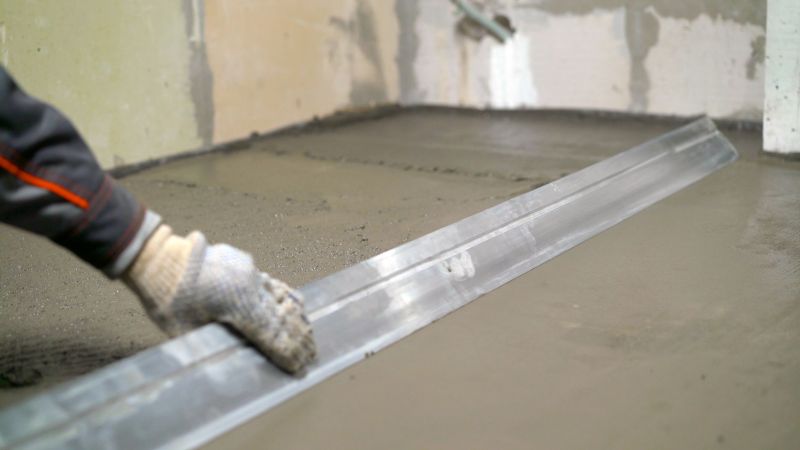
Concrete floor laying is ideal during mild, stable indoor conditions to ensure proper curing and finish.
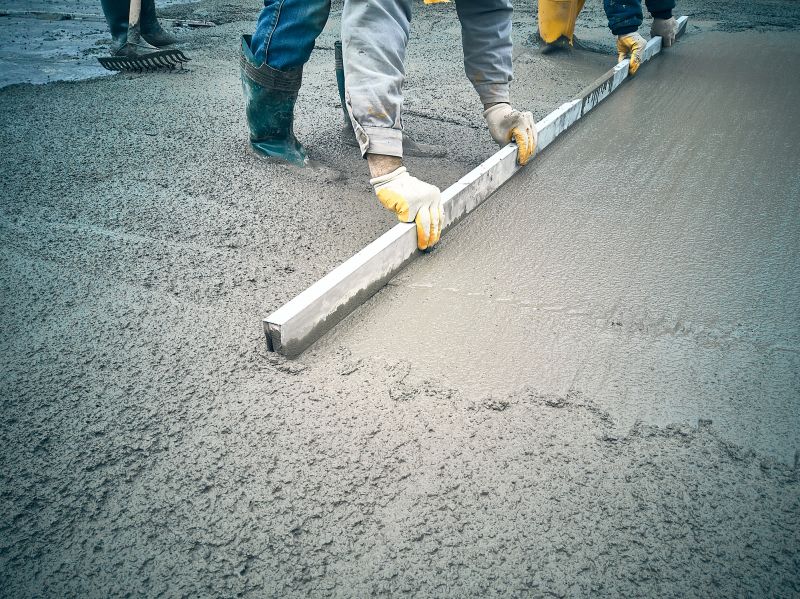
Dry weather minimizes moisture issues, making it the optimal time for outdoor concrete floor installations.
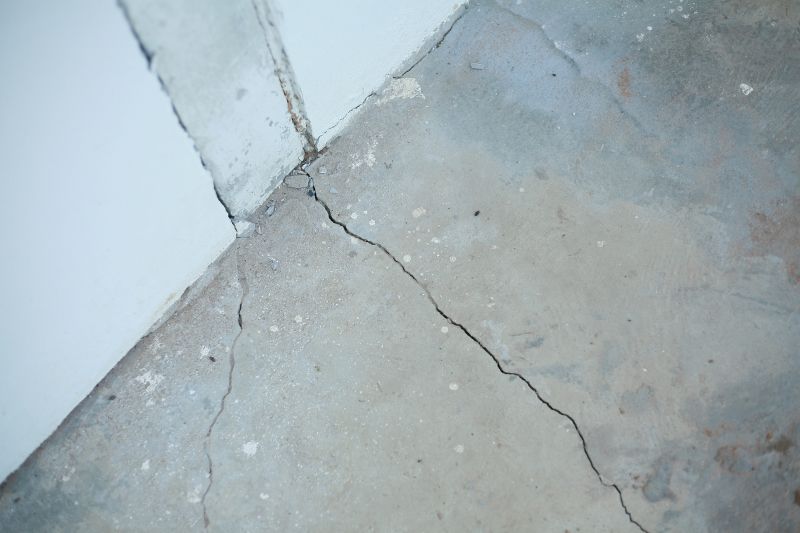
Temperatures between 50°F and 85°F are suitable for concrete curing, reducing cracking risks.

Ways to make Concrete Floor Layings work in tight or awkward layouts.

Popular materials for Concrete Floor Layings and why they hold up over time.

Simple add-ons that improve Concrete Floor Layings without blowing the budget.

High-end options that actually feel worth it for Concrete Floor Layings.

Finishes and colors that play nicely with Concrete Floor Layings.
Concrete floor laying involves pouring and finishing concrete to create durable, level surfaces suitable for various applications. Proper timing ensures optimal curing, minimizes cracks, and enhances longevity. The curing process typically requires specific temperature and humidity conditions, making seasonal considerations critical for successful installation.
Avoid extreme cold or hot weather to prevent curing issues and surface defects.
Planning during seasons with predictable weather reduces delays and quality concerns.
Concrete performs best when poured under conditions that support proper hydration and setting.
Optimal timing can shorten project timelines by avoiding weather-related interruptions.
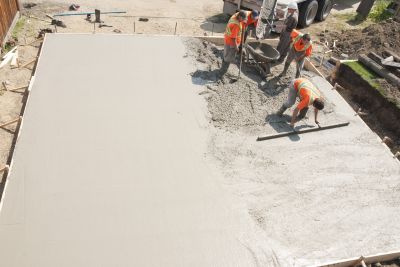
Spring offers moderate temperatures ideal for concrete curing.
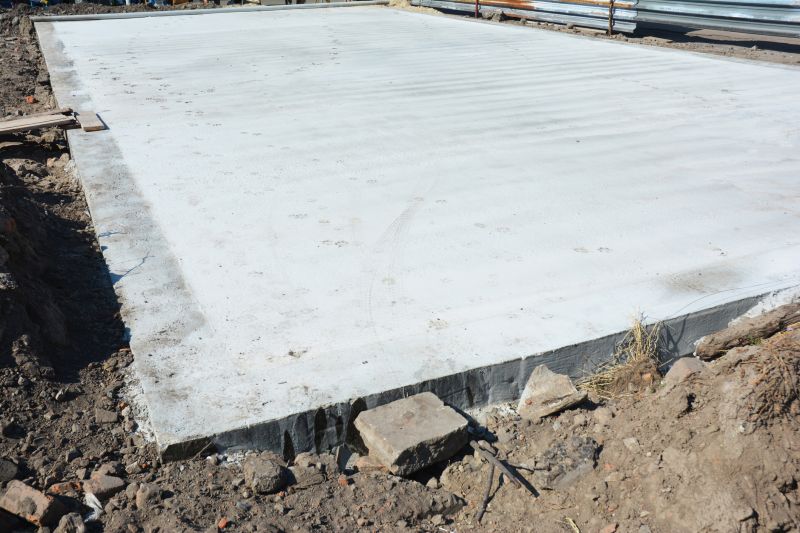
Early summer mornings are suitable for outdoor concrete laying before heat intensifies.
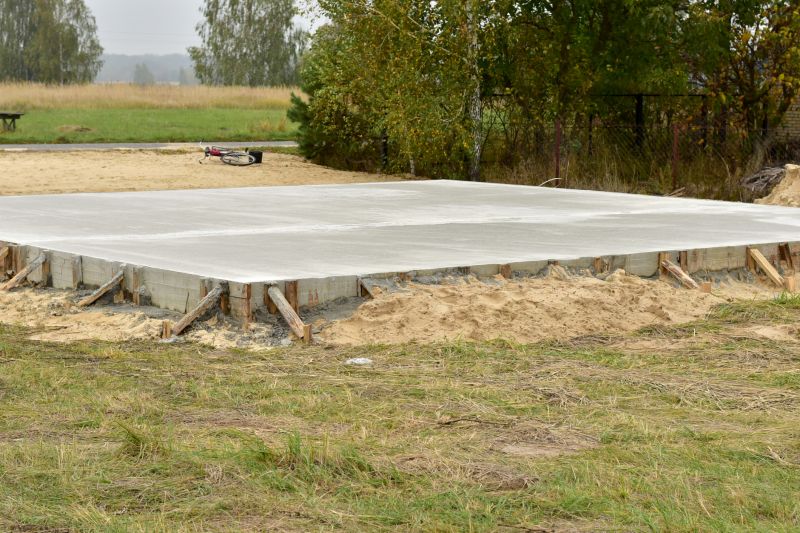
Autumn provides cooler weather that supports proper curing if scheduled appropriately.
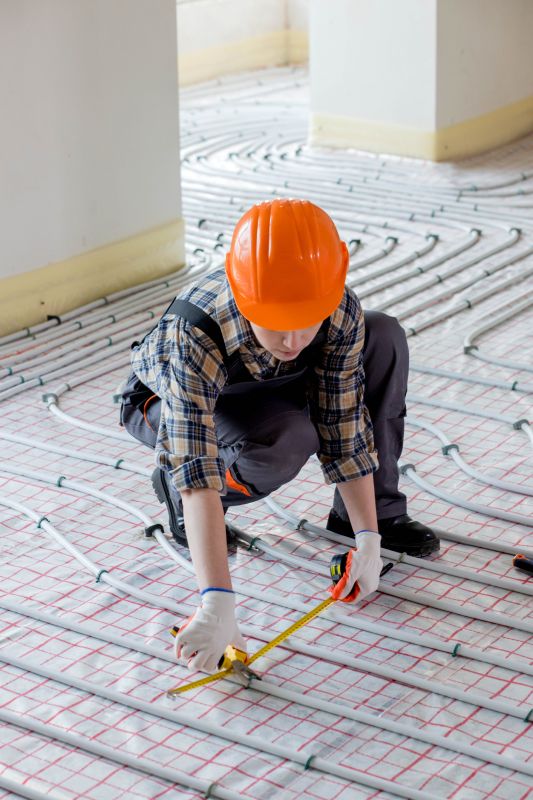
Winter requires measures like insulation or heated enclosures to facilitate concrete laying.
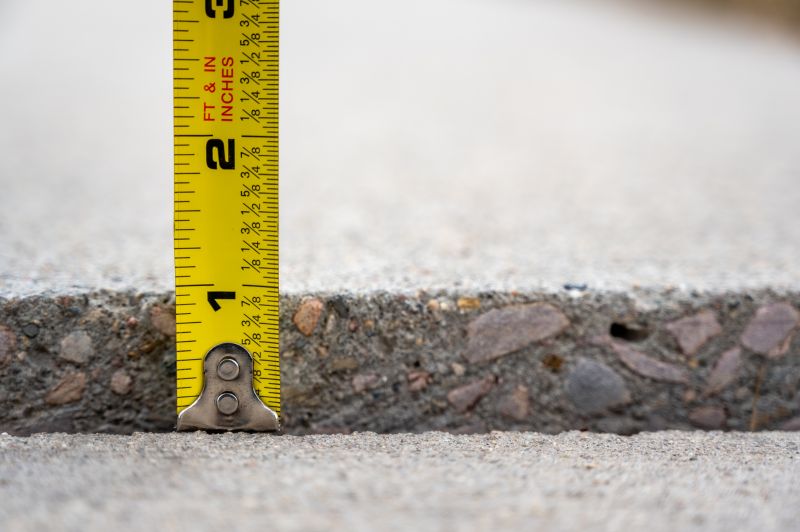
Little measurements that prevent headaches on Concrete Floor Layings day.
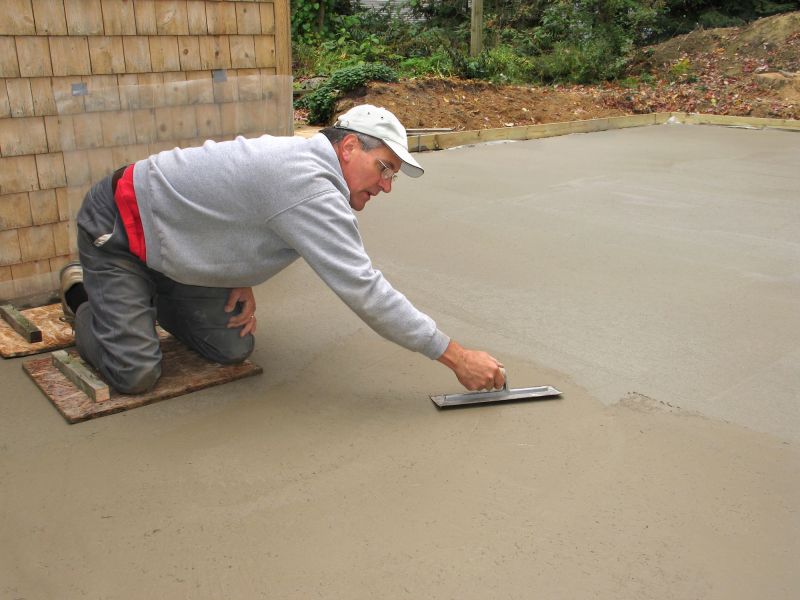
A 60-second routine that keeps Concrete Floor Layings looking new.
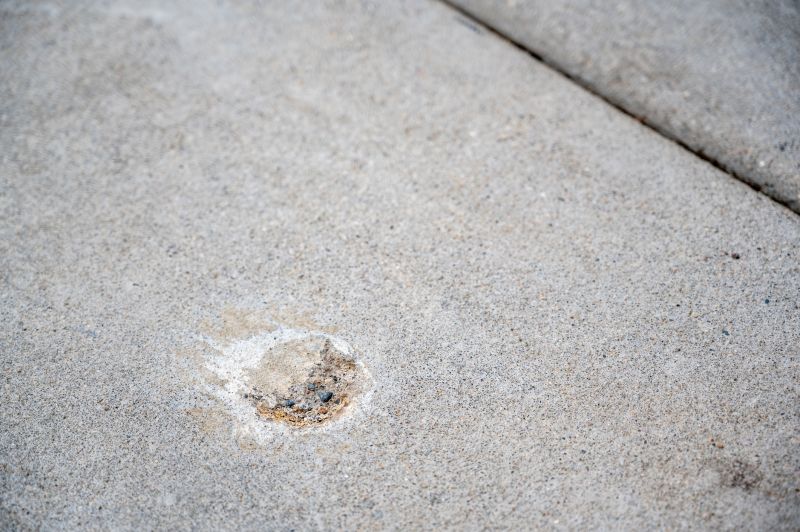
A frequent mistake in Concrete Floor Layings and how to dodge it.
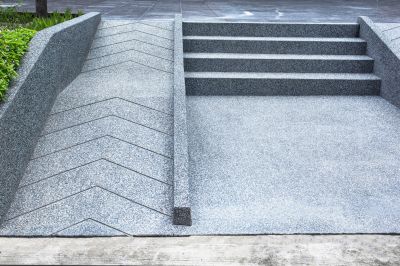
Small tweaks to make Concrete Floor Layings safer and easier to use.
| Season | Ideal Conditions |
|---|---|
| Spring | Moderate temperatures, low humidity, stable weather |
| Summer | Cool mornings, avoid peak heat hours, possible use of cooling measures |
| Autumn | Cooler temperatures, minimal rain, dry conditions |
| Winter | Requires heating or insulation, careful planning for frost |
| Dry Season | Minimal rainfall, low humidity, stable conditions |
Choosing the appropriate time for concrete floor laying is essential for achieving durable and high-quality surfaces. Weather conditions directly impact curing, surface finish, and crack resistance. Proper planning and seasonal awareness help mitigate risks associated with moisture, temperature fluctuations, and unexpected weather changes.
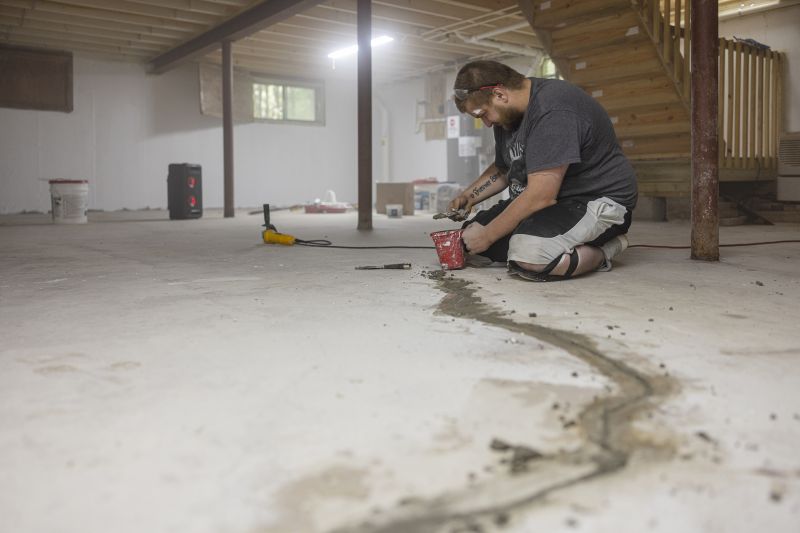
Maintaining optimal moisture and temperature during curing enhances concrete strength.
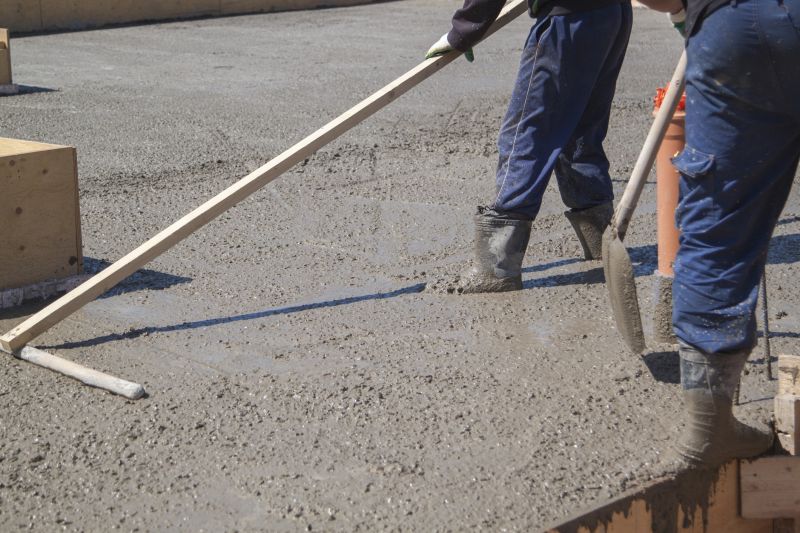
Regular weather checks help schedule concrete pouring during suitable conditions.
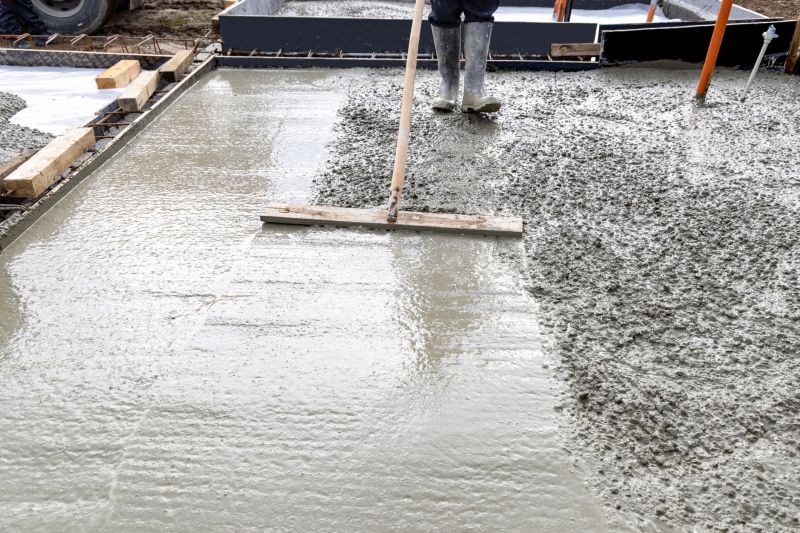
Aligning project timelines with favorable seasons reduces delays and defects.
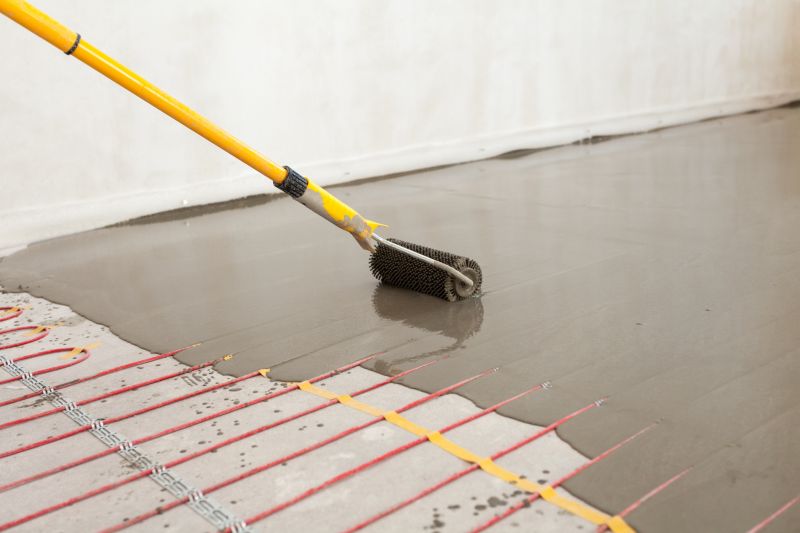
Preparing heating or cooling equipment ensures flexibility in scheduling.

Lower-waste or water-saving choices for Concrete Floor Layings.
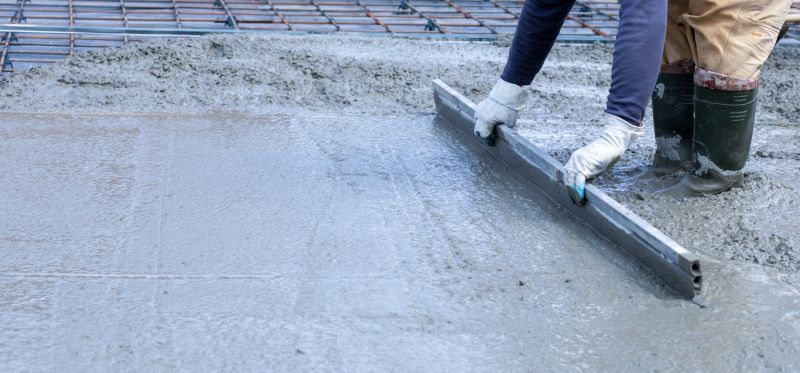
The short, realistic tool list for quality Concrete Floor Layings.
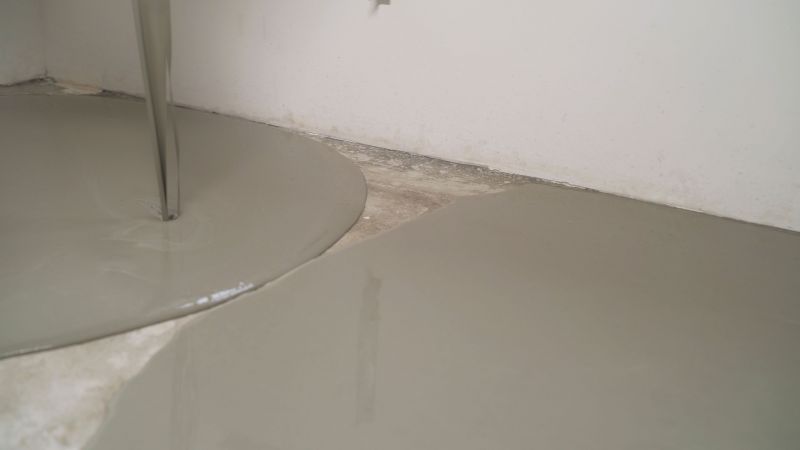
Rough timing from prep to clean-up for Concrete Floor Layings.
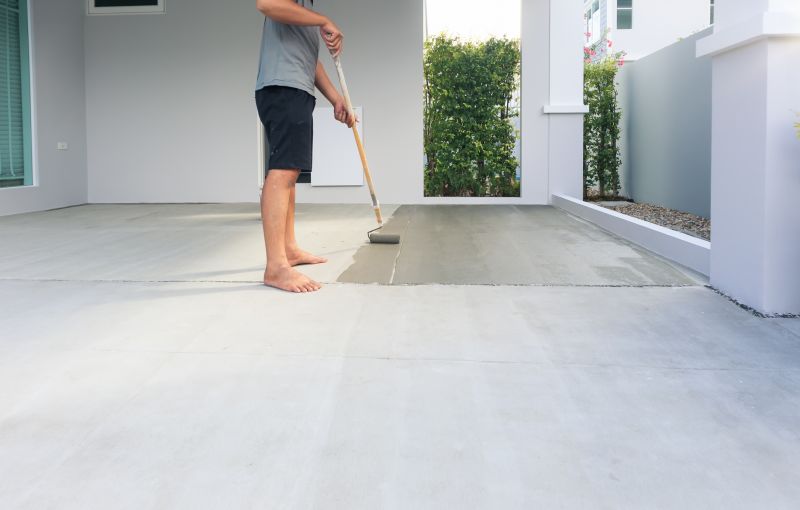
Quick checks and paperwork to keep after Concrete Floor Layings.
Timely concrete floor laying supports the structural integrity and aesthetic quality of the finished surface. Considering seasonal factors and weather patterns can significantly influence the success and longevity of the installation.
Interested in scheduling concrete floor laying? Fill out the contact form to discuss suitable timing.
Professional guidance can help determine the best season for specific project needs.